


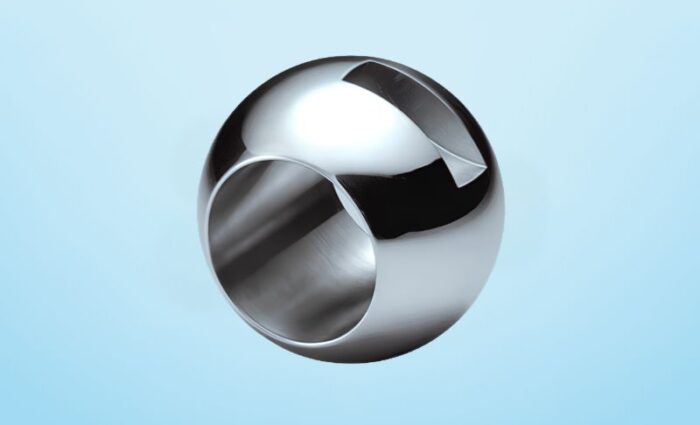
Industrial valves play a critical role in controlling the flow, pressure, and direction of liquids and gases across various industries. From oil & gas and petrochemical plants to power generation, pharmaceuticals, and heavy engineering applications, valves must operate reliably under demanding conditions.
The performance and durability of an industrial valve depend significantly on the quality of its individual components. Valve components manufacturing involves producing precision-engineered parts that ensure proper valve operation, sealing performance, pressure handling capability, and long service life.
Manufacturers specializing in forged and machined components produce valve parts using processes such as forging, heat treatment, and CNC machining to achieve the required strength, dimensional accuracy, and reliability.
Britex Engineering manufactures precision forged and machined components for industrial applications, including valve components used in critical industries.
What Are Valve Components?
Valve components are individual parts that are assembled together to form a complete industrial valve.
Depending on the valve design and application, components may include:
- Valve bodies
- Valve bonnets
- Valve stems
- Yokes
- Seat rings
- Valve discs
- Pressure-containing components
- Machined internal parts
Each component performs a specific function in controlling fluid flow and maintaining valve performance.
Importance of High-Quality Valve Components
Industrial valves often operate in environments involving:
- High pressure
- High temperature
- Corrosive fluids
- Continuous operation
- Mechanical stress
Poor-quality components can affect valve reliability and may lead to:
- Leakage
- Reduced operational efficiency
- Equipment downtime
- Maintenance requirements
High-quality valve components help ensure:
1. Reliable Flow Control
Precision-manufactured components support accurate opening, closing, and regulation of fluids.
2. Improved Sealing Performance
Components such as valve seats and internal sealing parts require accurate machining to achieve proper sealing.
3. Better Pressure Handling
Valve components used in critical applications must withstand operating pressure conditions.
4. Longer Service Life
Material selection, forging quality, heat treatment, and machining accuracy influence component durability.
Types of Valve Components Manufactured for Industrial Applications
1. Valve Bodies
The valve body is the main pressure-containing component that houses internal valve parts.
It provides connection points for piping systems and supports the flow path through the valve.
Valve bodies require:
- High mechanical strength
- Accurate machining
- Material compatibility
- Pressure resistance
They are commonly used in:
- Oil & gas systems
- Petrochemical plants
- Power industries
- Process industries
2. Valve Bonnets
The valve bonnet is mounted on the valve body and protects internal components such as stems and other operating parts.
A properly manufactured bonnet helps maintain valve integrity and supports reliable operation.
3. Valve Seat Rings
Seat rings provide the sealing surface inside a valve.
Their manufacturing requires precision because proper seating directly affects leakage control.
Seat ring performance depends on:
- Material selection
- Surface finish
- Dimensional accuracy
- Operating conditions
4. Valve Stems
Valve stems transfer movement from the actuator or operating mechanism to internal valve components.
They require suitable strength and dimensional accuracy to withstand repeated operation.
5. Yokes and Other Machined Components
Yokes and supporting components provide structural support for valve assemblies.
Precision machining ensures compatibility between different valve parts.
Valve Components Manufacturing Process
Producing reliable valve components requires multiple controlled manufacturing stages.
1. Material Selection
Material selection is one of the most important steps.
The material must be suitable for:
- Operating temperature
- Pressure conditions
- Fluid characteristics
- Corrosion environment
- Mechanical requirements
Common material choices depend on application specifications and customer requirements.
2. Forging Process
Forging shapes metal through controlled mechanical force.
The forging process helps improve the strength characteristics of components by modifying the internal metal structure.
Forged valve components are commonly selected for applications requiring reliability and durability.
3. Heat Treatment
Heat treatment modifies material properties to achieve required mechanical characteristics.
It can help improve:
- Strength
- Hardness
- Toughness
- Wear resistance
The appropriate heat-treatment process depends on the material and application.
4. CNC Machining
After forging, components undergo precision machining.
CNC machining helps achieve:
- Accurate dimensions
- Smooth surface finishes
- Proper fitting between components
- Consistent manufacturing quality
5. Inspection and Testing
Quality inspection is essential for industrial valve components.
Inspection may include:
- Dimensional inspection
- Surface checks
- Material verification
- Testing according to customer requirements
Applications of Valve Components
Valve components are used across several industries where fluid control systems are required.
Oil & Gas Industry
Oil and gas facilities use valves throughout exploration, processing, storage, and transportation systems.
Valve components must handle demanding conditions involving:
- High pressure
- Temperature variations
- Process fluids
- Continuous operation
Petrochemical Industry
Petrochemical plants require valves for controlling chemical processes and fluid movement.
Component selection depends on chemical compatibility and operating conditions.
Power Generation Industry
Power plants use valves in systems involving:
- Steam
- Water
- Cooling systems
- Process control
Reliable valve components are important for maintaining plant operations.
Pharmaceutical Industry
Pharmaceutical manufacturing requires precise fluid handling systems.
Valve components must meet application-specific hygiene and operational requirements.
Heavy Engineering Applications
Industrial machinery and heavy engineering systems require durable valve components for reliable operation.
Factors to Consider When Selecting Valve Component Manufacturers
Choosing the right manufacturing partner is important for critical industrial applications.
1. Forging Capability
A manufacturer should have appropriate forging capabilities to produce strong and reliable components.
2. Machining Accuracy
Precision machining is essential for achieving proper component fit and valve performance.
3. Material Knowledge
Understanding material behaviour helps manufacturers produce components suitable for specific applications.
4. Heat Treatment Expertise
Proper heat treatment ensures required mechanical properties.
5. Quality Control Systems
Manufacturers should follow suitable inspection procedures to maintain consistency.
6. Custom Manufacturing Capability
Many industries require valve components according to:
- Customer drawings
- Specific dimensions
- Material grades
- Application requirements
Forged Valve Components vs Machined Valve Components
| Factor | Forged Valve Components | Machined Valve Components |
|---|---|---|
| Manufacturing method | Produced through forging process | Produced through machining operations |
| Strength | Suitable for high-strength applications | Depends on material and design |
| Accuracy | Requires machining after forging | High dimensional accuracy |
| Applications | Critical pressure applications | Precision component requirements |
| Selection | Depends on operating conditions | Depends on design requirements |
In many applications, forging and machining processes are combined to achieve both strength and dimensional precision.
Benefits of Custom Valve Components Manufacturing
Application-Specific Solutions
Custom manufacturing allows components to be produced according to project requirements.
Better Compatibility
Components manufactured according to specifications provide better integration with valve assemblies.
Improved Reliability
Precision manufacturing helps support consistent valve performance.
Industry-Specific Requirements
Different industries have unique requirements related to pressure, temperature, materials, and operating conditions.
Valve Components Manufacturing by Britex Engineering
Britex Engineering specializes in manufacturing forged and precision machined components for industrial applications.
The company’s capabilities include:
- Forging
- Heat treatment
- CNC machining
- Precision component manufacturing
Britex supplies components for industries including:
- Oil & gas
- Petrochemical
- Pharmaceutical
- Automobile
- Power transmission
- Heavy engineering
For industrial valve applications, selecting the correct valve components depends on material requirements, design specifications, operating conditions, and quality expectations.
Frequently Asked Questions
1. What are valve components?
Valve components are individual parts used to manufacture industrial valves, including bodies, bonnets, stems, seat rings, and other precision parts.
2. Why is valve component quality important?
High-quality valve components help improve sealing performance, reliability, pressure handling, and service life.
3. Which industries use valve components?
Valve components are used in oil & gas, petrochemical, power generation, pharmaceutical, chemical, and heavy engineering industries.
4. What manufacturing processes are used for valve components?
Common processes include forging, heat treatment, CNC machining, and inspection.
5. What should I consider when selecting a valve component manufacturer?
Consider forging capability, machining accuracy, material expertise, heat treatment capability, quality control, and customization options.
6. Why are forged valve components preferred for critical applications?
Forged components are often selected for applications requiring strength and reliability due to their manufacturing process and mechanical properties.
Conclusion
Valve components manufacturing is a critical part of industrial valve production. The quality of individual components directly influences valve performance, reliability, and operating life.
Industries such as oil & gas, petrochemical, power generation, and pharmaceuticals require precision-manufactured valve components capable of operating under demanding conditions.
By combining forging, heat treatment, CNC machining, and quality inspection, manufacturers can produce reliable components designed for industrial applications.
Britex Engineering provides forged and precision machined components for industries requiring high-quality manufacturing solutions.